Throughout enduring chronicles,
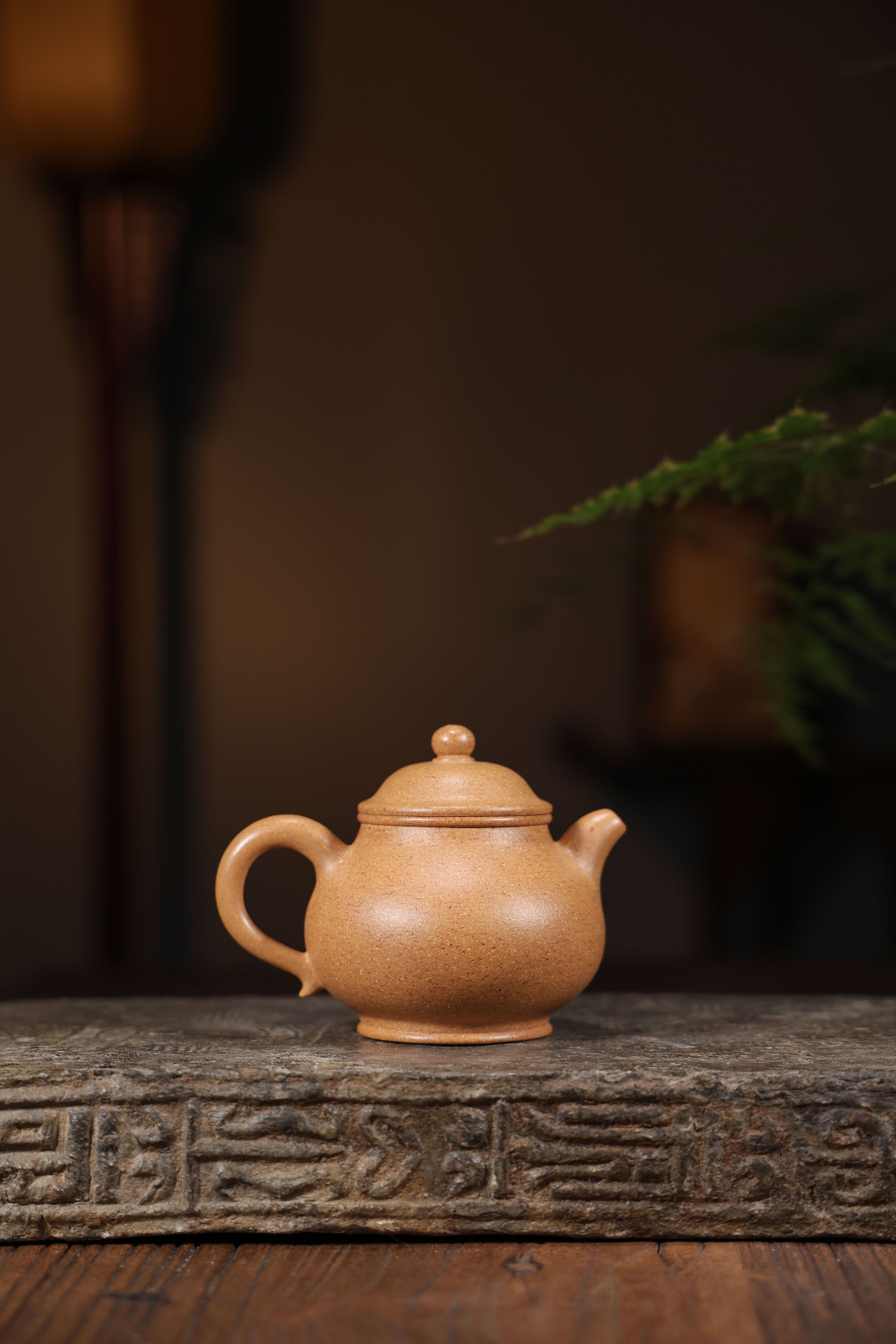
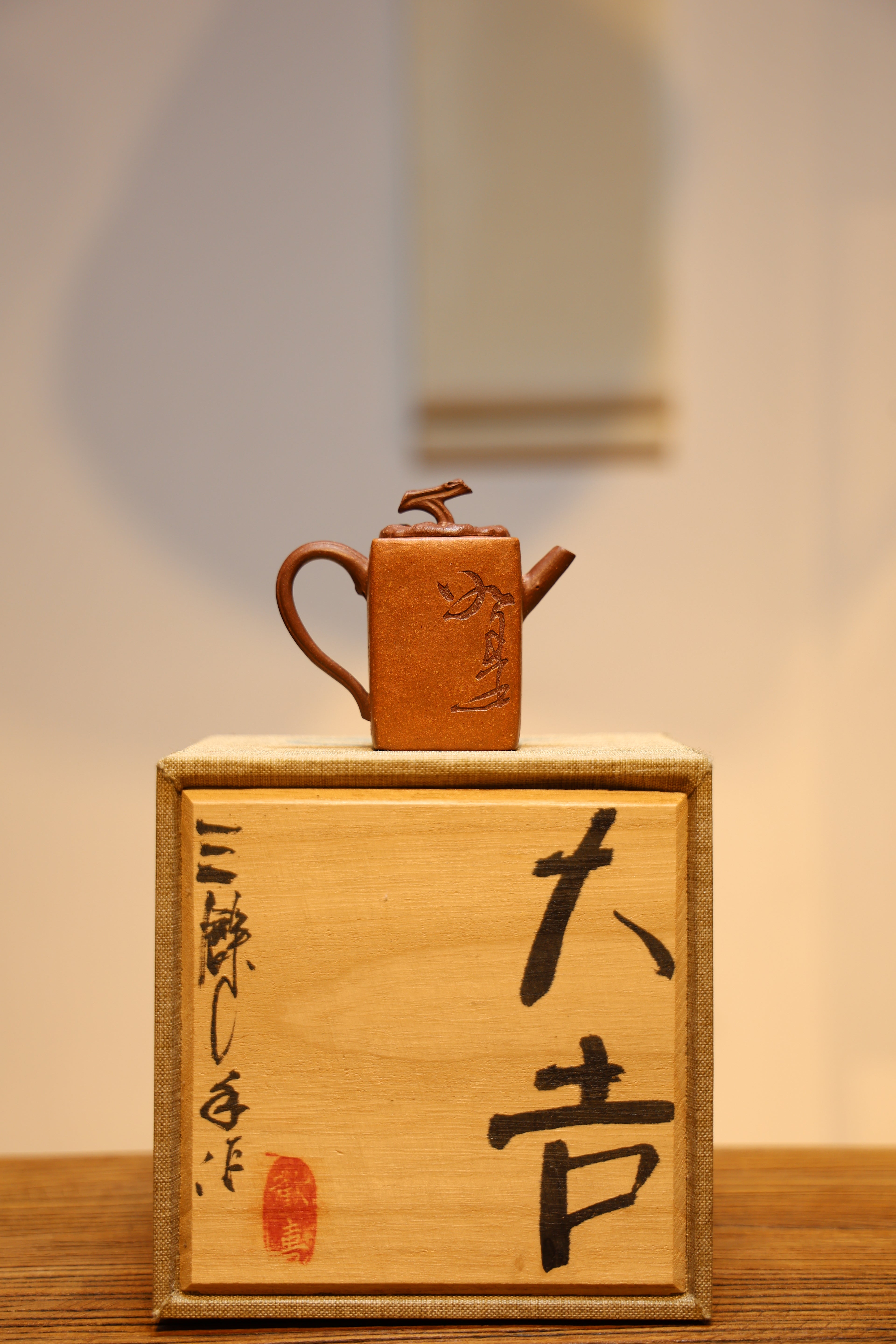
During millennia, enthusiasts have been fascinated by the rare charm of Yixing Zisha carafes. Originating from the region of Yixing in the nation of China, these utensils are renowned for their exceptional beauty, scarce clay, and natural ability to augment the savor of the beverage. The substrate's distinctive mahogany hue, combined with the adept creation of territorial builders, creates works that are jointly functional masterpieces and coveted properties. Possessing a Zisha teapot is more than just specific purchase; it's inviting a rich civilizational heritage.
Investigating Yixing Teapots: Ancestry, Styles, and Price
The notable Yixing teapots stand as a deep past deeply intertwined with Chinese culture. Stemming in the Yixing region of Jiangsu province, these clay vessels possess a heritage stretching back to the Ming Dynasty. Early examples were functional, but throughout centuries, Yixing teapot forging evolved into an esteemed art form. The clay itself, known for its unique composition and ability to augment the flavor of the tea, stays a defining factor. Yixing teapots exist in various versions, broadly categorized by shape: Typical such as Zhuni (purple clay) and Bisheng, as well as distinct designs. The price of a Yixing teapot is on several factors, including the potter’s acclaim, the age of the piece, the rarity of the clay, and its aesthetic beauty.- Heritage: Early periods
- Clay: Assorted selections
- Cost Determinants: Scarcity
Zisha Teapot Mastery: Craft and Artisans
Distinct formation of a authentic Zisha teapot is a elaborate process, requiring long spans of expertise. Proficient artisans meticulously pick the finest Zisha clay, a exceptional earth found only in specific regions of China. Time-honored techniques, often bequeathed through families, involve accurate shaping, nuanced carving, and unhurried firing in ancient fireplaces. The culminating teapot isn't merely a holder; it's a testament to artistic vision and the serious connection between the artist and their inheritance. Each teapot showcases the specific touch of the potter, resulting in a truly singular work of pottery.
Classical Vessels: Understanding the Abundant Institutions of Yixing City
Celebrated Yixing, nestled in Jiangsu the expanse, is internationally renowned for its exceptional cookware – a tangible representation of centuries of Chinese craft. These aren't merely vessels for infusing tea; they are intricate works of artistry, often Purple Clay Teapot reflecting spiritual ideals. Such unique purple clay, known as Zisha, possesses exceptional qualities: the compound dense, diffusive, and imparts a subtle character to the tea.
- Diverse families have honed the techniques of Yixing vessel making, passing down time-honored methods through generations.
- Connoisseurs prize these pieces for their attractiveness and rarity.
- Some jar tells a anecdote, connecting the user to a rich heritage.
Investing in Yixing Zisha: Important Factors
In the process of evaluating obtaining Yixing Zisha earthenware, several elements necessitate careful analysis. Preliminarily, the ingredient's color is important; authentic Zisha commonly exhibits a evident maroonish gradient. As well, examine the artistry; precise markings and a sleek overlay reveal accomplished making. At last, study the fabricator's profile; reputable names yield boosted figures and often bestow a reliable reward.
Artisan Techniques for Brewing Tea in Zisha Pots
Crafting flavorful tea with a Zisha pot is more exceeding a simple ritual; it's an art. Zisha clay, renowned for its unique structural composition, imparts a light character to the processed tea that’s often not found with other wares. The correct water heat is vital; typically, moderated than what's used for black tea, to sustain the tea's odor and character. Consider attentively the tea variety; delicate green teas or aged pu-erhs advance from the Zisha’s ability to lessen their original edge. It’s vital to rinse the teapot before brewing, and to exclude over-steeping. Mastering this skill leads to a authentically exceptional tea experience.
- Realizing Zisha Clay
- Heat Intensity & Tea Selection
- Value of Warming Up
Caring for Your Famous Pot
In order to extend the endurance of your prized Yixing jar, routine upkeep is decisively indispensable. Never using harsh substances; instead, mildly rinse it with comfortably warm solution. Ward off abrupt temperature; please don't place the earthenware directly onto a heated foundation. Periodically, mature the urn by infusing it with choice aged steep, as this aids to strengthen its personality and guards the inimitable essentials of the earth.
With respect to Material to Receptacle: The Process of a Traditional Pot
Such creation of a Zisha teapot is a remarkable procedure, a representation to both the world's bounty and the mastery of the maker. It launches with the careful extraction of the singular clay from the plum Zisha mines around Yixing. This virgin material, known for its exquisite features, is then carefully clarified and ready for the preliminary forming. The bottle’s design is masterfully formed using a mix of classical forming methods, often incorporating detailed ornaments. Following hardening, the teapot undergoes a vital first firing, joined by a dressing stage, which might involve diverse layers of organic Zisha solutions. Finally, a second, and sometimes third, firing at strong temperatures solidifies the composition, revealing its final beauty and wonderful characteristics - a real masterpiece, equipped to embellish a tea session.
{Yixing Teapots: A Symbol of Chinese Tradition and Esteem
Renowned Yixing teapots, originating from the distinguished Yixing region of Jiangsu province, are far more than mere earthenware for brewing liquids; they represent a substantial aspect of Chinese society. Manufactured from distinctive purple clay – zisha – these unique teapots are highly prized for their ability to enhance the flavor of the tea and, crucially, for their aesthetic appeal. The legacy of Yixing teapot making spans centuries, and the craft involved is inherited through generations, making each teapot a beautiful object that embodies classical techniques and a profound appreciation for the refined pleasures in life.