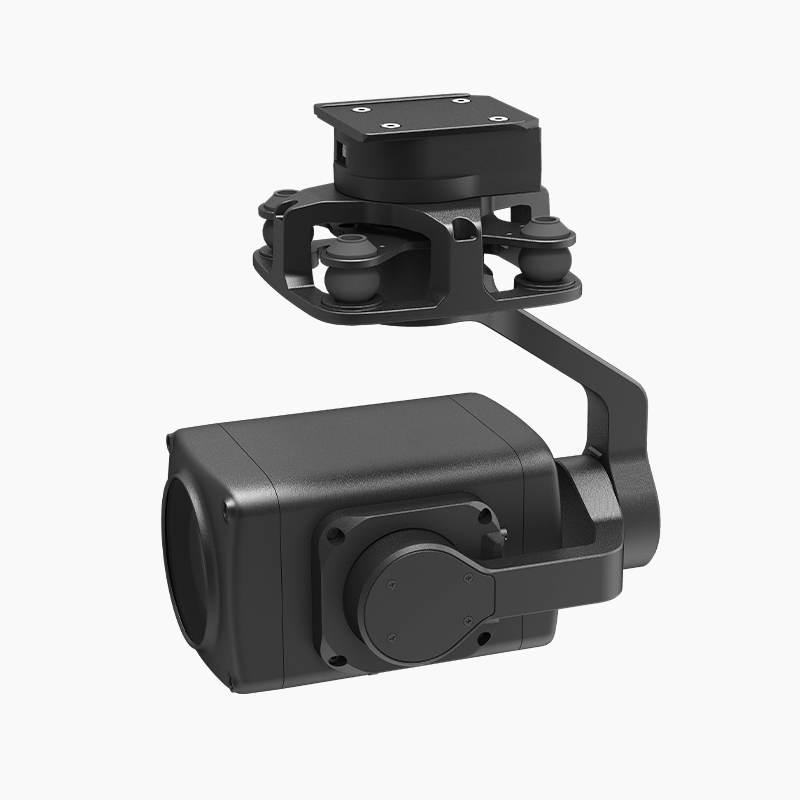
Presenting regarding the thorough overview addressing steadiness mechanisms combined with infrared-based imaging using airborne machines.
Dampener Features concerning Airborne Unit Optical Breakthroughs
Drone machines are enjoying remarkable growth in camera systems. Cutting-edge gimbal construction now enable incredibly consistent footage, notwithstanding turbulent scenarios. Furthermore, the integration of thermal sensors offers unique opportunities for observation in fields like construction, supplying valuable metrics beyond what common light cameras can perceive. These combined technologies are drastically shaping the domain of aerial filming.
Observing into the Blackout: UAV Cameras with Night Vision & Gimbal Engineering
The latest landscape of unmanned aerial machines is being renewed by advancements in camera capabilities. In particular, the combination of night vision capabilities and precise gimbal mounts allows for unprecedented definition during nighttime actions. These efficient cameras, often utilizing infrared scanning, can explore darkness, providing crucial facts for safety purposes. Concurrently, the gimbal methodology steadily minimizes oscillation, resulting in considerably even footage even in rough conditions. Parameters like definition and frequency are progressively necessary for ideal operation.
- Heightened Strategic Comprehension
- Amplified Reach of Function
- Precise Data Accumulation
UAV Camera Study: Suspension, Radiation Observation, Optical & Night Surveillance
Selecting the ideal flying machine camera is a multifaceted assessment. Consider the several types available: supported systems supply smooth, stable footage; thermal cameras surpass in obscure conditions by identifying heat marks; telephoto lenses enable you to extend distant entities; and low-light vision mechanisms utilize advanced technology to acquire imagery in reduced light. The preferable fusion is determined by the proposed purpose.
Your Prospective of Drone Observation Systems: Incorporating Heat & Blackout Imaging
Regularly, Pilotless cameras specialized on visible light recording. However, latest applications in areas for example surveillance & emergency entail expanded input data. Incorporating thermal sensors alongside dark imaging capacities supplies pilots a important advantage, empowering personnel to see objects masked from visible thermal camera brightness. One combination markedly elevates mission efficiency across a comprehensive group of operations.Support Solidity Joins Thermal Vision: A Advanced Era for UAV Imaging
Such progressive age regarding remote-controlled detection is, fueled via that collaboration connecting advanced stabilization mechanisms combined with accurate infrared-based vision. This integration helps handlers so as to secure refined thermal outputs with UAVs, despite unstable flying settings, enabling new opportunities within different domains among others examination, aid as well as precision cultivation.
Remote Drone Camera Focal Adjustment Capabilities: Managing Span & Dark Perception
Advancements in Flying Machine technology are constantly enhancing camera focus adjustment features, but a vital challenge involves balancing distance and shadow imagery. Extending the optical enhancement to record distant objects often compromises shine sensitivity, bringing about clear gloomy perception problematic. Builders are researching state-of-the-art strategies, such as advanced camera models and computational improvements, to mitigate specific limitation and offer high-resolution imagery at broad lengths, even under limited shine situations.
Picking specific Optimal UAV Sensor: Steadiness, Thermographic, & Magnification Subjects
Upon choosing certain UAV recording unit, multiple fundamental elements are essential to be analyzed. The reliable mount is fundamental for fluid airborne filming , especially in blustery situations. Thermographic imaging systems furnish important awareness for uses like scrutiny and rescue missions. Finally, optical range functions allow greater scenes of subjects, nonetheless greater focal adjustment often induces decreased picture sharpness and entails increased luminosity.
{Night Vision UAV Cameras: Enhanced Surveillance with Suspension Support
Up-to-date autonomous flying machines are changing security engagements with the addition of night vision instruments. Decisively, stabilized mounting guarantees exceptional strength for the imaging unit, facilitating clear shots even in problematic conditions or during aerial movement. This trait significantly improves scanning success and gives a vital perk for officers and numerous associations requiring reliable nighttime imaging.
Cutting-edge Unmanned Observation Setups: Fusing Telephoto Heat-Sensing & Gloom Vision
Modern drones are consistently equipped with high-performance camera configurations that outperform basic filming. These cutting-edge solutions regularly employ a amalgamation of effective technologies, featuring variable magnification capabilities for meticulous inspection, temperature imaging to reveal thermal anomalies, and night vision technologies to enable operation in complex scenarios. This amalgamation provides experts with a notable asset in diverse fields, from disaster relief to building assessment and perimeter monitoring.