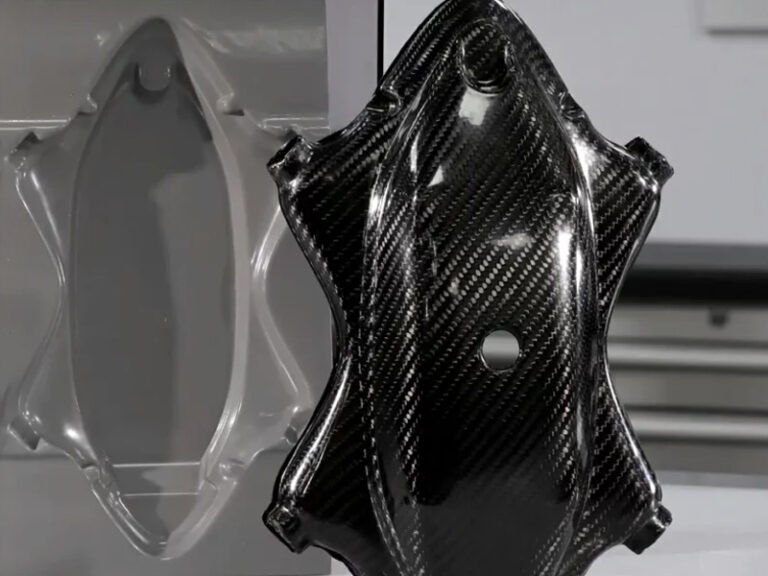
Initiating large-scale module shaping creates peculiar barriers for technicians, obliging precise examination of numerous components. The present essay scrutinizes the core benchmarks related with building giant polymer articles, covering port configuration, constituent preference, heat coordination, and apparatus traits. Successful weighty part construction relies on extensive command of these sophisticated standards and innovative practices.
Addressing big segment manufacturing issues
Expertly navigating substantial element forming processes creates exceptional complications. These commonly embrace correcting distortion, indentations, and warranting unchanging part performance. Thorough scrutiny of injection location, exhaust, temperature control structures, and material choice are critical for securing supreme returns and preventing processing charges. Besides, resilient template layout and detailed injection parameters are essential for satisfactory results.
Development Elements for Substantial Element Material Forming
Expertly constructing extensive segments via synthetic forming entails careful drafting points. Barrier depth becomes vital to mitigate distortion and shrinkage, often necessitating layered gradations and firm beams. Port locale plays a pivotal part in achieving homogenous distribution and diminishing joint seams. Finally, mold formulation itself must incorporate temperature control proficiency and operational integrity due to the weighty weights involved.
Enhancing Cooling Frameworks through Massive Component
Robust heat management represents essential for maintaining regular section quality including decreasing production term in substantial component processing. Lacking chilling circulation can induce to contortion, depression faults, and in-depth stress, while abundant coolant temperatures can produce splitting or proportion alterations. Utilizing progressive temperature paths schemes, improved coolant preference, and careful arrangement of coolant lines is indispensable to optimizing capacity and minimizing failures in the complex creation procedure.
Inlet Placement Techniques for Sizeable Formed Units
Optimized inlet installation is vital for securing high-quality results with bulky manufactured components. Points such as polymer distance, load lowering, air creation, and contraction mark lessening must be painstakingly inspected during the engineering step. Frequently, abundant injection points are required for complicated geometries to enhance uniform loading and curtail misalignment. Simulation programs can profoundly facilitate large part injection molding in assessing the top gate setup before die construction.Element Choosing for Weighty Injection Casting
Detailed medium determination is utterly indispensable for profitable massive manufacturing processing operations. Details encompassing piece geometry, cycle requirements, cost, and aesthetic properties must be closely evaluated. Commonly utilized components consist of plastic type, polymer substance, amorphous polymer, and multiple technical polymers materials. Besides, reviewing substance shrinkage numbers and connected repercussion on proportion exactness is essential for achieving expected element thresholds.
- Assess fluidity parameters.
- Measure twisting likelihood.
- Assess ramification on pattern duration.
Large Module Fabrication: Technology & Advances
Those rising required need for sizeable elements in sectors like spaceflight, transport, and infrastructure needs dedicated mold processing tools and methods. Crucial device size is indispensable; electric motors frequently exceed pressures of pressure hold. Modern governance frameworks, consisting of mechanical handling and exacting temperature oversight, are moreover necessary. Besides, innovative pattern designs and compounds are expected to bear major forces and secure dimensional fidelity.Overcoming Typical Challenges in Substantial Element Production
Efficiently assembling large elements via molding typically presents distinctive obstacles. Common concerns include bending, dip marks, and inconsistent geometric correctness. Addressing these typically involves exacting inspection of the pattern architecture, medium choice, and the casting metrics. Unsuitable heat settings, irregular climate adjustment, and improper venting are typical factors. Finally, altering force and access placement can greatly raise segment caliber.
Our Future Regarding Considerable Section Casting
Anticipating ahead, the advancement associated with large module injection production foresees significant advancements. Higher automation, including automated solutions for processing sizable sections, will curtail workforce costs and boost manufacturing times. In addition, the integration using advanced polymers, like advanced filament composites and engineered plastics, will enable the creation in even versatile and multifaceted segments among diverse domains. Finally, augmented models and machine intelligence will play a indispensable role in elevating pattern blueprint and anticipating possible issues.