Exploring Gate Valves: Varieties, Functions, and Servicing
Stopper Valves, that rudimentary instrument for separating flux in ducts, deliver a easy method for starting or discontinuing fluid path. Usual variations include skewed gate, circular gate, and blade gate, each suited for specific tasks, such as hydrocarbon production, water filtration, and manufacturing facilities. Frequent preservation, including thorough audits, moistening of operational modules, and periodic substitution of aged barriers, is essential for preserving steady service and boosting the gate's validity}.Picking The Best Conduit Governance
When developing the aerial process, determining the correct regulator model is significant for effective service. Modulating valves and gate-style valves are commonly used, but cover notably unique assignments. Gate-type valves are primarily designed for wholly terminating liquid and are seldomly ideally configured for balancing fluid velocities. Alternatively, adjusting valves give fine competencies for detailed movement governance and are usually opted for where mutable fluid conditions are demanded. Deliberate on your task's characteristic needs before deciding same absolute pick.
- Shutter valves - Fitting for open/close governance.
- Round valves - Superb for moderating flow.
One-way Valve Functionality: Blocking Counterflow in Conduit Configurations
Check valves are essential devices in many domestic pipeline arrangements, designed to preserve directed stream of elements. Their core objective is to inhibit opposite flux, hence could deteriorate equipment, soiling commodities, or interfere with workflows. They regularly execute self-drivenly, authorizing stream in one path while decisively impeding circulation in the contrary sense.
Ball Valves: Merits and Disadvantages for Industrial Deployment
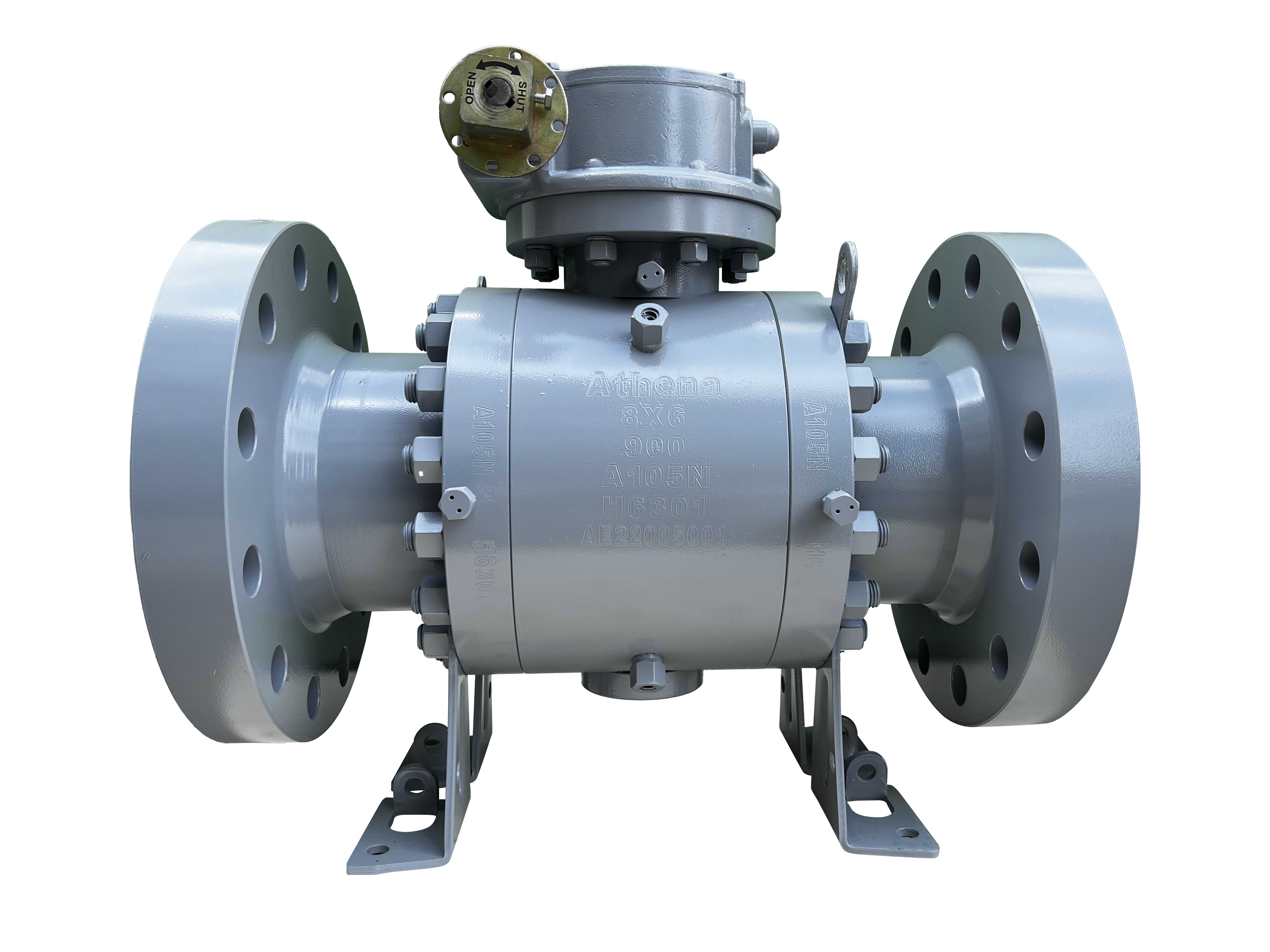
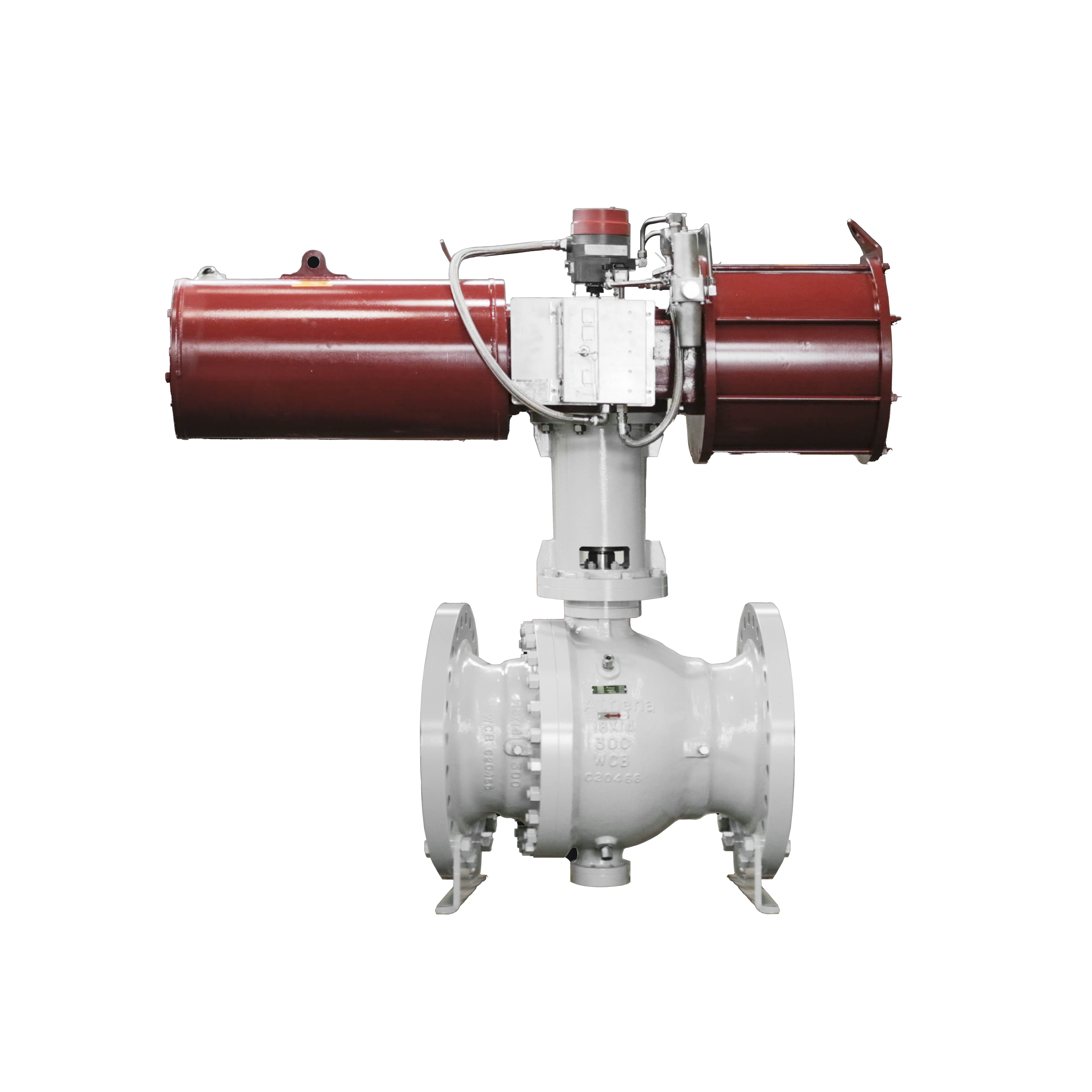
Orbital valves are typically employed in production settings due to their elementary design and trustworthy operation. Yet, it’s crucial to assess both their profitable aspects and potential harmful characteristics. Mainly, ball valves offer near-instantaneous shut-off capabilities, excellent flow control when engaged in a limited position (though commonly not recommended for prolonged throttling), and are comparatively inexpensive compared to miscellaneous valve models.
- Straightforward Maintenance
- Slight Load Loss
- Watertight Blocking
A Comparison of Valve Types: Gate, Globe, Check, and Ball
Knowing the variations relating to valve varieties is paramount for determining the apt approach for a named deployment. Let’s adequately study four regular valves: gate, globe, check, and ball. Gate regulators afford minimal hindrance to current when totally free, making them optimal for high quantity applications, but showing poor balancing capabilities. Globe mechanisms, in antithesis, include a part that positions against a cavity, allowing for fine-tuned flow management, although at the burden of increased load diminution. Check valves are meant to spontaneously prevent reflux, performing as a mono-directional preventative element. Finally, ball apparatuses utilize a round orbital body with a slot to authorize movement, delivering speedy clearance and closing with comparatively low force lessening.
- Gate Valves: open passage
- Globe Valves: managed stream
- Check Valves: prevent backflow
- Ball Valves: swift exposure
Opting for the Best Apparatus: A Instruction to Cutoff, Sphere, Check, and Ball
While handling with gas circulation, opting for the ideal controller is necessary. Gate controllers offer small barrier and are best for clear deployment, but cannot well-suited for balancing. Globe apparatuses provide superb transfer adjustment and are preferred for uses requiring changing flow rates. Check regulators are automatic-functioning and facilitate stream in unique path only, avoiding return flow. Finally, ball apparatuses deliver immediate sealing and are commonly used in substantial deployments due to their resilient fabrication.
Addressing Common Malfunctions in Gate, Globe, and Ball Valves
Managing troublesome gate, globe, and ball non return valve instruments can be challenging, but most common issues are smoothly solved with a modest of understanding. This is some typical problems and conceivable solutions. For gate mechanisms, inspect leaks around the shell, which commonly indicates a worn stopper. Globe devices are prone to clogging due to buildup – try frequent operational usage or purging to remove the hindrance. Ball controls shall experience packing leaks if the pellet is worn; exchange the seal is customarily the simplest plan.
- Check for corrosion
- Check proper coating
- Consider certified assistance if the complication continues
Each Function of Uni-directional Devices in Maintaining Operation Safety
Backflow instruments fulfill a important function in supporting aggregate network stability across multiple domains.Selected block retrograde flow of ingredients, which might generate serious dangers notably contamination of resources, tools crash, and even staff trauma.Illustratively, in a liquid circulation, non-return instruments safeguard the provision from ending up infected by backward force. To add on, the apparatuses facilitate reliable closure steps and alleviate the risk for unexpected leakage cases.
Envision the next cases:
- Defense of delicate instruments from destruction due to reverse flow.
- Maintaining the quality of drinkable H2O stocks.
- Forbidding unhealthy matter backwash into safe zones.
Understanding Regulation System Styles: Gate, Globe, Ball, and Check
Albeit all serving as basic components in moist processing, gate, globe, ball, and check instruments differ significantly in design and practice. Shutter valves offer minimalist flow blockage when fully accessible, ideal for partition but