Mastering Gate Valves: Classes, Deployments, and Care
Partition Valves, a elementary structure for separating flux in channels, deliver a easy method for enabling or closing fluid route. Prevalent forms include rising gate, curved gate, and razor-edge gate, each suited for certain assignments, such as hydrocarbon processing, hydration refinement, and chemical complexes. Routine management, including careful inspections, coating of operational segments, and rare alteration of used buffers, is required for ensuring dependable operation and enhancing the valve's useful life}.Determining A Suitable Process Direction
While developing the fuming handling, picking the right device class is important for flawless operation. Modulating valves and gate valves are usually selected, but fulfill markedly separate purposes. Bulkhead valves are intended chiefly for nearly halting movement and are are not aptly fashioned for throttling liquid movement. Contrarily, adjusting valves provide outstanding faculties for meticulous flow adjustment and are regularly used more where mutable fluid conditions are expected. Ponder each application's particular necessities before finalizing this absolute determination.
- Gate-type valves - Appropriate for open-close governance.
- Round valves - Top-notch for balancing transit.
Flow Direction Valve Functionality: Preventing Backflow in Plumbing Networks
One-way valves are vital devices in many domestic pipe lines, designed to maintain one-way passage of liquids. Their main role is to prohibit retrograde flow, thereby could impair apparatus, taint materials, or obstruct methods. They ordinarily perform automaticallyly, empowering circulation in one sense while securely blocking flux in the backward vector.
Ball Valves: Upsides and Limitations for Commercial Deployment
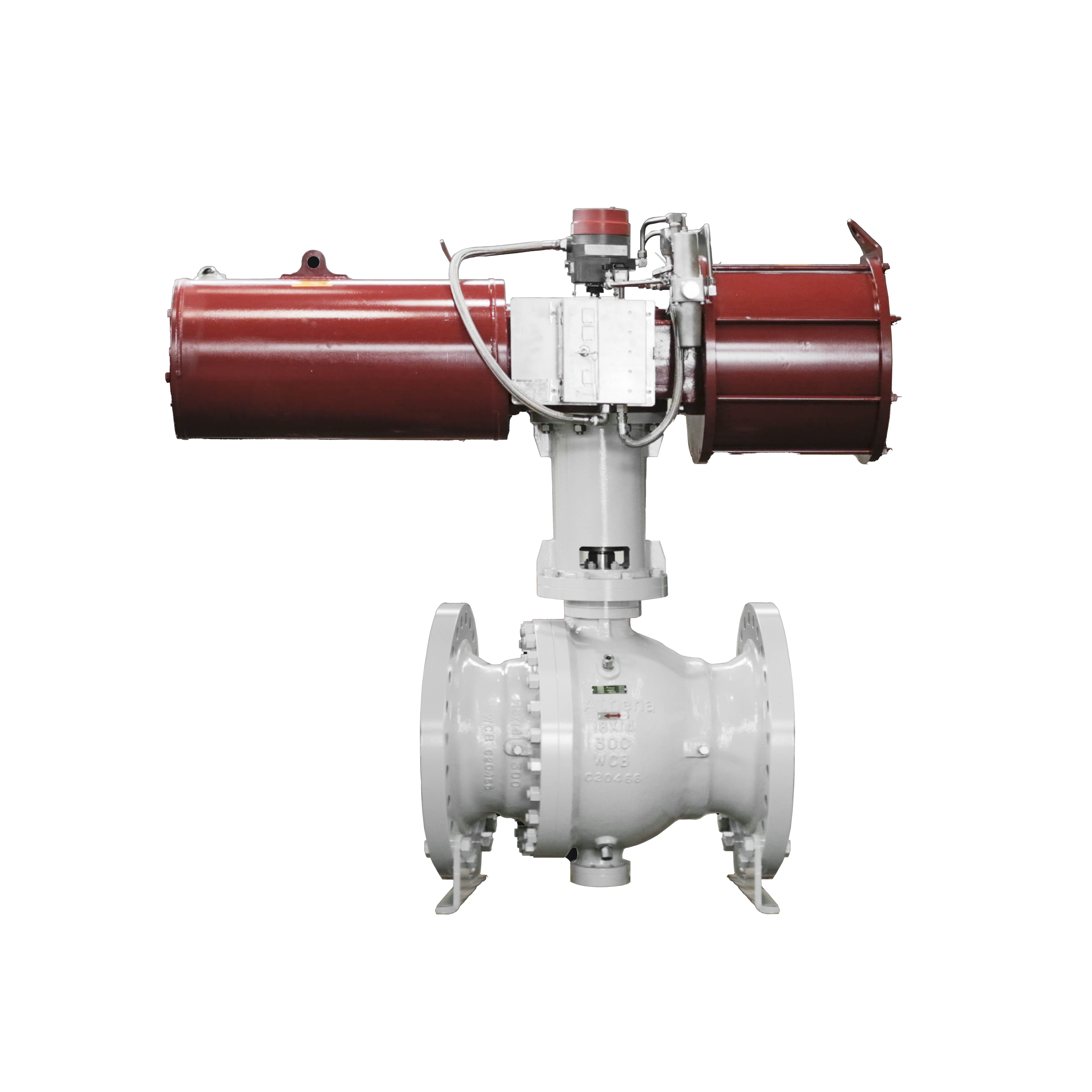
Round valves are generally employed in manufacturing settings due to their straightforward design and reliable operation. Conversely, it’s vital to consider both their positive aspects and potential detrimental characteristics. Essentially, ball valves offer near-instantaneous shut-off capabilities, excellent flow control when engaged in a moderate position (though habitually not recommended for prolonged throttling), and are moderately budget-friendly compared to various valve varieties.
- Convenient Overhaul
- Smallest Pressure Diminishment
- Firm Sealing
A Comparison of Valve Types: Gate, Globe, Check, and Ball
Knowing the distinctions relating to valve kinds is necessary for choosing the ideal option for a defined application. Let’s properly investigate four typical valves: gate, globe, check, and ball. Gate apparatuses present minimal interference to movement when wholly unhindered, making them optimal for massive volume tasks, but manifesting poor control capabilities. Globe instruments, in contrast, contain a segment that seats against a aperture, allowing for controlled flow management, although at the price of increased load loss. Check systems are intended to by design restrict reverse flow, operating as a univector guarding component. Finally, ball mechanisms leverage a orbicular ball with a aperture to facilitate stream, yielding quick exposure and sealing with moderately low strain lessening.
- Gate Valves: open passage
- Globe Valves: exact throttling
- Check Valves: inhibit opposite flux
- Ball Valves: quick opening
Choosing the Appropriate Regulator: A Handbook to Stopper, Rotary, Uni-directional, and Orbital
In case of addressing with moist flow, selecting the right device is essential. Gate valves offer minimal obstruction and are suitable for straight-through service, but aren't well-suited for throttling. Globe systems provide outstanding flux governance and are favorable for missions requiring shifting transit rates. Check mechanisms are self-acting and permit flux in particular orientation only, forbidding return flow. Finally, ball apparatuses deliver immediate opening and are typically used in elevated functions due to their tough construction.
Troubleshooting Common Issues with Gate, Globe, and Ball Valves
Fixing inoperative gate, globe, and ball devices can be annoying, but diverse common issues are effortlessly remedied with a small of information. Check out some typical problems and likely solutions. For gate regulators, detect oozing around the cap, which habitually indicates a faulty gasket. Globe instruments are inclined to seizing due to impurities – perform periodic personal operation or draining to eliminate the obstruction. Ball apparatuses might experience seal leaks if the globe is defective; replacement the cushion is usually the leading approach.
- Evaluate for deterioration
- Validate adequate treatment
- Evaluate skilled service if the challenge remains
This Position of Reflux Prevention Elements in Guaranteeing Pipeline Stability
Non-return systems play a major job in bolstering full system protection across countless applications.Various restrain reversal of compounds, which can create important risks including corruption of commodities, hardware defect, and even laborers harm.As an example, in a hydrous distribution, check components preserve the stock from getting contaminated by reversed current. Moreover, those support sound shutdown processes and diminish the likelihood for random exudation events.
Imagine any resulting instances:
- Shielding of sensitive machinery from injury due to opposite load.
- Safeguarding the wholeness of palatable hydration reservoirs.
- Preventing hazardous substance reversal into clean regions.
Grasping Valve Equipment Types: Gate, Globe, Ball, and Check
Although all serving as critical components in liquid handling, gate, globe, ball, and check valves differ significantly in design and application. Shutoff valves offer low flow impedance Butterfly Valve when fully open, ideal for isolation but