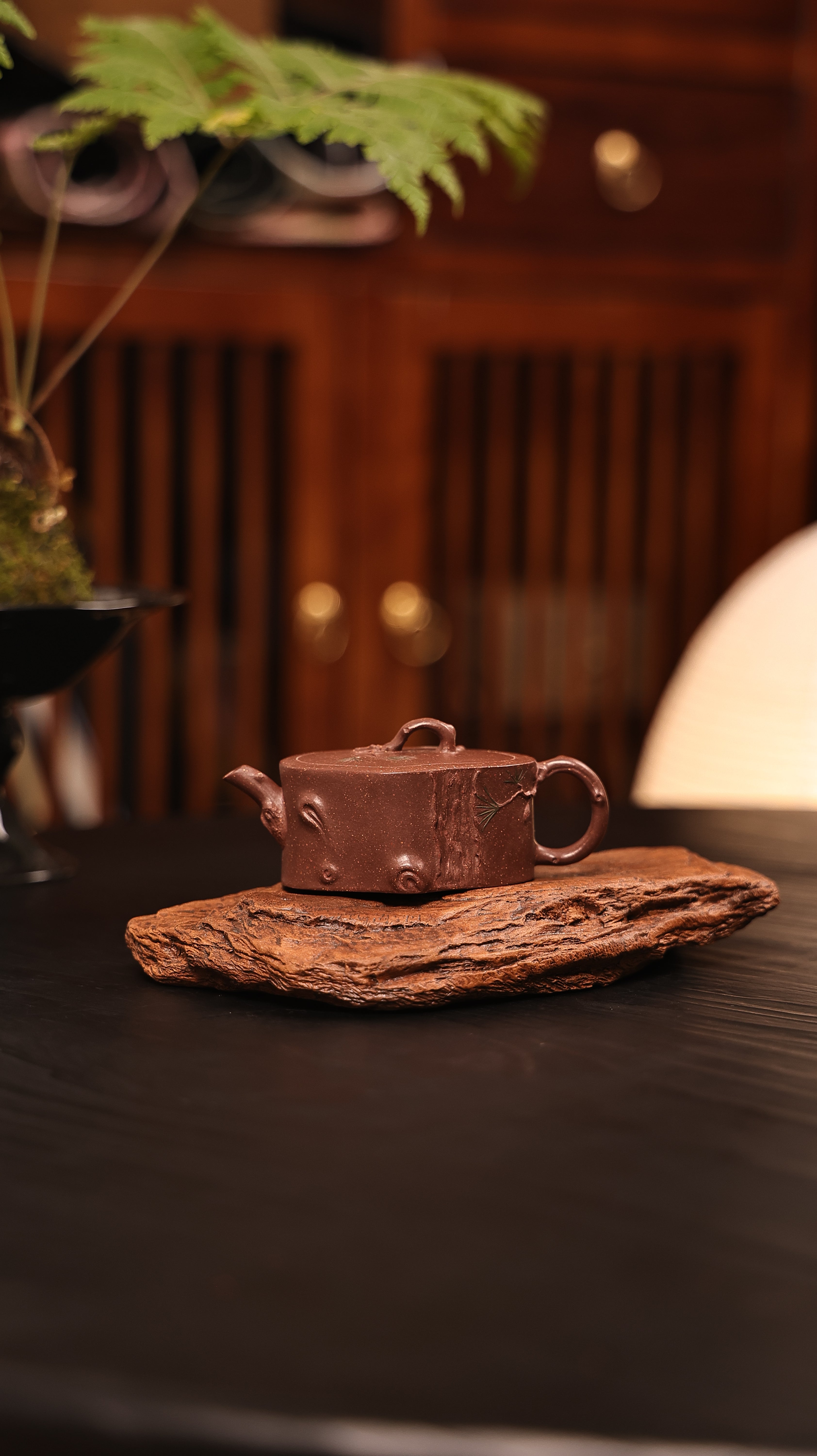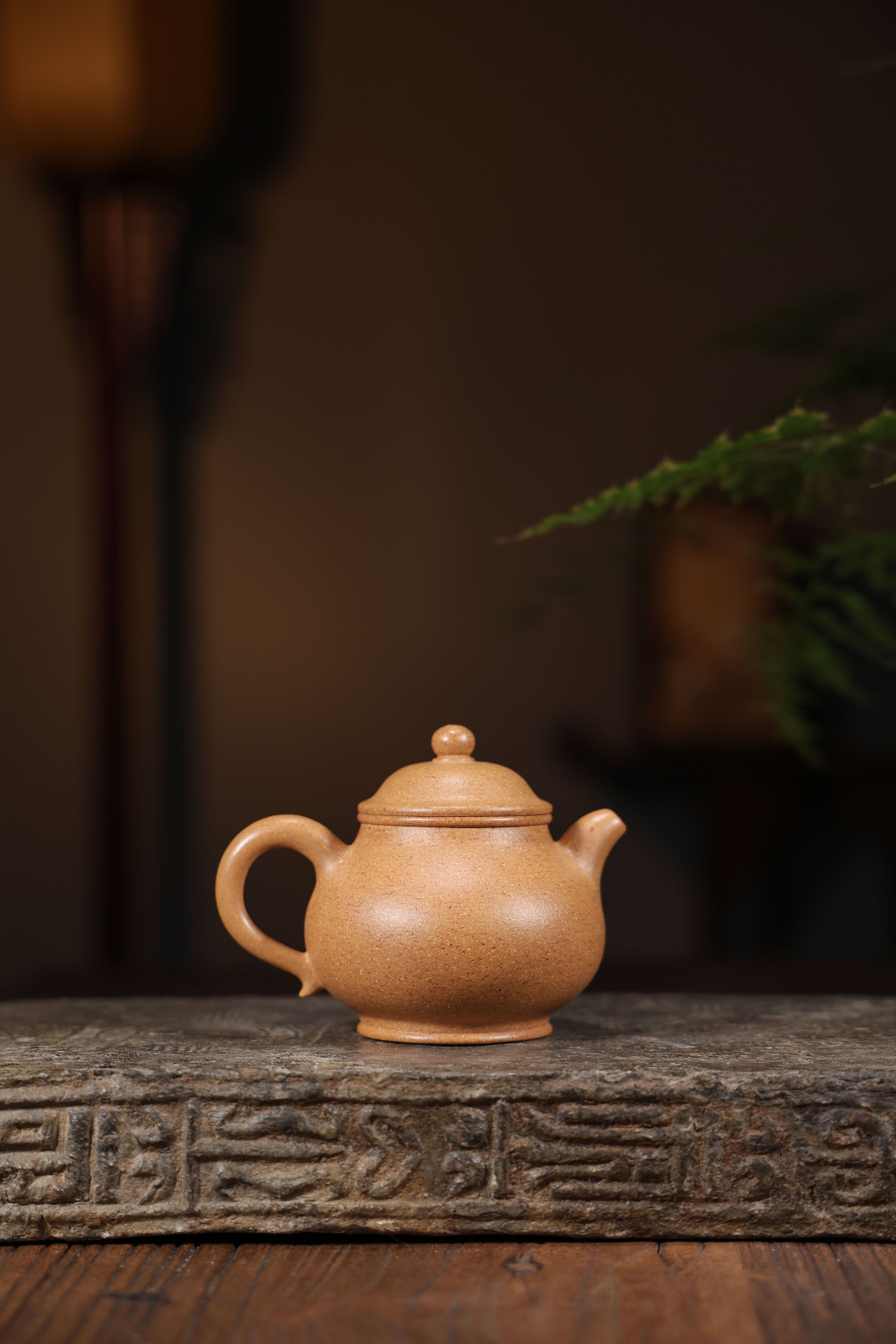
Opening the detailed inspection about Yi-hsing Zi-sha clay pots offers one fascinating mixture between skill together with performance.
Ising Tz'u Sha brewing containers carry this unequaled attraction among collectors internationally. The extraordinary earthenware containers, produced from the exclusive Eysing zone of Jiangsu province, China, constitute more than just steeping vessels; they are esteemed as works art beauty and rich significance. The finely screened clay, known called Zisha, imparts a mild flavor within the tea, and the intricate designs, often casting traditional Chinese elements, enhance their intrinsic value. Gaining a genuine Yixing Zisha teapot presents a gratifying journey, requiring careful inquiry and an understanding of the numerous factors influencing its limited availability.
Understanding Yixing Brewing Vessels
Eysing clay pots boast a colorful heritage deeply interwoven with Chinese culture. Originating in Yixing, Jiangsu division, these earthenware are crafted from a unique, porous purple clay found only in that special location. Their creation began during the Ming session, with master ceramicists refining the techniques over epochs. Various types Zisha Teapot persist, including the classic Hexiang (resembling crab shells), Zhuni (red-brown hue), and Duan Ni (stone-studded) – each with distinctive traits. The cost of an Yixing ceramic vessel isn't solely based on its size or decoration, but also on the designer’s reputation, the material's quality, and the brewery’s age and condition. Connoisseurs often seek out older examples, believing they soak up the aroma of the liquid brewed within them over time, further adding to their status.- Antique Clay Pots
- Chestnut Clay Pots
- Rock-Decorated Vessels
Zisha Teapot Mastery: Fabrication & Processes
That crafting of Zisha teapots represents a summit of Chinese ceramic technique. Expert artisans employ classic techniques, often passed down through generations, to unlock the full capability of this unique clay. Practices involve meticulous molding by hand, often combined with the wrapping method, followed by precise kilning at incredibly intense temperatures in wood-fired kilns. Enhancing is equally crucial; producers utilize inherent clay colors and may incorporate etching work to depict intricate scenes or patterns, demonstrating a profound expertise of the material’s qualities and vitality. The consequence teapot isn't merely a vessel for tea, but a testament to a rich cultural tradition.
Classical Claywares: Special Introduction to Ihsing Tzu Sha
Probing the world of Chinese teapots sometimes initiates with Yixing Zisha. These particular clay pottery vessels are crafted from a unique type of clay discovered only in the Yixing region of the Jiangsu district province. Distinguished for its distinctive reddish-purple hue and outstanding characteristics, Zisha clay offers a soft flavor to the elixir and advances with age, forming into a cherished heirloom. Owning Yixing Zisha pots is more than just holding a stunning object; it’s a recognition of culture and technique.
Examining certain Ceramics: Sincerity & Elevation
Starting the environment of Yixing Zisha earthenware can be absolutely fruitful, but entails a careful cognition. Sincerity is indispensable; multiple counterfeits are found, commonly cleverly created. Gaining understanding about historical kiln techniques, distinctive dirt particulars, and the inscriptions of trusted potters is completely vital. On top of that, acknowledging the complexities of the growth direction – influenced by factors such as classical role and the quality of the item – is paramount to advantageous procurement.
- Investigating firing origins.
- Consulting authorities for endorsement.
- Assessing dealings patterns.
An Art of Creating with a Purple Teapot
That special allure of a Zisha instrument lies not just in its elegant appearance, but also in its notable impact on the flavor of the tisane. These traditional clay brewing pots, sourced from unique regions of China, possess a natural porosity that delicately interacts with the liquid and leaves, imbuing the tea with a light character. Mastering the art requires a careful approach, understanding how the clay responds to varied heat levels and botanical types, ultimately leading to a genuinely rewarding imbibing ritual.
Nurturing A Asset
Proper upkeep of your Yixing brewing pot is critical to retaining its lifespan. These extraordinary teapots, crafted from exceptional Yixing clay, build up a patina over periods that elevates their importance. Sometimes rinse the inside with filtered water, avoiding soap, and never use coarse scrubbing tools. Supplementary gentle polishing with a smooth cloth can help in clearing smudges. Allow your pot to wholly dry subsequent each session
Demystifying Stoneware: Why Such Pottery Become Exceptional
The distinguished appeal of Yixing teapots stems from the particular properties of Terracotta clay, sourced solely near Yixing, the city of Yixing. This noteworthy clay, designated as ferruginous earthenware , exhibits a distinctive combination of particles that, across the years, imbibe the aroma of the tisanes it embraces. This yields a one-of-a-kind taste experience for each pot, providing it a price far surpassing its baseline-level price and contributing to their respected status among tea enthusiasts.
Identifying the Right Traditional Carafe: A Stoneware Explanation
Venturing into the world of Purple clay teapots can feel overwhelming, but understanding the basics is vital to choosing a beloved piece. This type of clay, sourced predominantly from the environs of Yixing, Jiangsu, is well-regarded for its uncommon permeability and ability to augment the aroma of the brew over use. Assess the silhouette, the cast, and the style; a legitimate Zisha teapot is more than just a holder; it's a craftwork and a signifier of oriental culture. Inspect the signature of the potter for clues to its origin and potential standing.