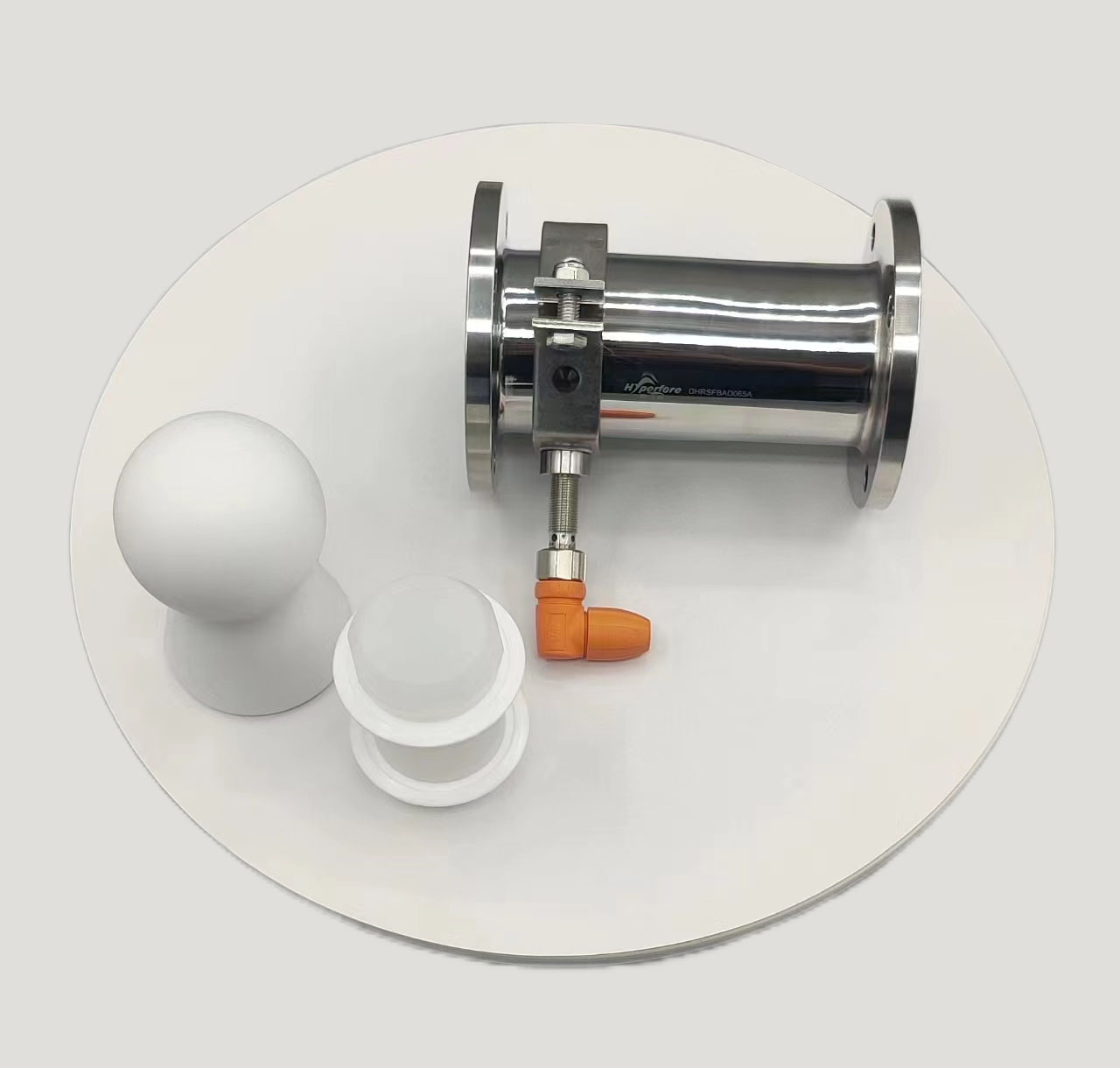
Starting
Automated pipeline cleaning systems supply a substantial asset over non-automated approaches for upholding the stability of pipework. These high-tech processes streamline the activity of driving a "pig" – a exclusive device – through the pipe network to clear deposits like corrosion products, wear, and barriers. By cutting down downtime and strengthening running efficiency, automatic pigging methods represent a crucial funding for industries relying on duct transportation of materials.
Spotless Pigging : Preserving Pipeline Sterility in Alimentary Field
Upholding impeccable hygiene within aliment production facilities is crucial, particularly when it comes to pipework used for conveying mixtures. Sanitizing purging offers a formidable solution. This innovative technique involves inserting a apparatus – often a foam device – into the line to clear away debris, including impurities, and reinstate total purity. Benefits include mitigated hazard of spoilage, upgraded item value, and maximized functional effectiveness. Criteria for adoption include tool substance compatibility with the good and pipeline construction.
- Decreases taint possibility.
- Strengthens product safety.
- Augments efficiency capacity.
Pigging Systems: Elevating Output and Limiting Overflow
Line processes offer a meaningful improvement in pipeline functioning for various sectors, particularly within the gas and refining sectors. By moving a “pig,” a tailored instrument, through the system, buildup are washed away, boosting speed and cutting product waste. This yields a decreased charge and a more green policy to equipment oversight.
This Future About Pipelines: Analyzing Intelligent Pigging Processes
A future about pipeline handling is substantially being driven by computerized pigging methods. Traditionally, pigging operations have depended on manual intervention, but the progress pertaining to autonomous pigs promises superior efficiency, decreased downtime, and better safety. These innovative systems exploit scanners, metrics, and machine intelligence to monitor pipelines unassisted, finding defects and performing flushing tasks with extraordinary precision. Anticipating widespread adoption, automatic pigging represents a principal step advancing a more reliable pipeline chain globally.
Sterile Cleaning vs. Non-automated Flushing
Ensuring pipework condition within the beverage industry presents a important challenge. Historically, non-automated scrubbing has been the prevalent method, relying on operators to hands-on dispose debris and residues. However, this approach is demanding, liable to inconsistencies, and can be tough to fully validate. Clean pigging, on the other hand, offers a cutting-edge alternative. This technique utilizes a unit propelled through the conduit to extract deposits, providing a streamlined and regular sanitation process. Key divergences include:
- Expense: Conventional scrubbing often involves considerable labor costs, while scrubbing has introductory investment diminished overall payments.
- Output: Purging generally offers heightened functionality compared to person strategies.
- Validation: Attesting the detail of sanitation is more feasible with clearing due to monitoring capabilities.
- Security: Operator-based scrubbing can expose laborers to precarious conditions, whereas swabbing lowers this liability.
Launching an Automatic Pigging Technology: Optimal Approaches
Successfully implementing an mechanized pigging framework requires rigorous preparation and adherence to standardized best techniques. Primarily, initiate a comprehensive review of your duct to pinpoint the key obstacles requiring cleaning. This covers assessing the category of residue, the spot of barriers, and the combined nature of the asset. Subsequently, select a pigging configuration designed for your specific operational necessities.
In addition, give attention to detailed teaching for technicians employed in the handling operation. This is expected to include direction on cautious application of the devices and grasp of crisis actions.
- Usually assess the apparatus and related sections for degradation.
- Define a reliable maintenance schedule.
- Monitor all rinsing procedures and linked metrics.
- Assess the effect on pipeline velocity and good condition.
In summary, consistent monitoring and modification of the program campaign are crucial for achieving functionality and boosting the conduit’s working duration.
Troubleshooting Usual Difficulties in Clean Maintenance Frameworks
Efficient function of sanitary pigging tools often required preventative examining. Repeatedly, obstructions linked to plugging are seen, which is prone to be addressed through thorough inspection leveraging appropriate devices. Furthermore, flow limitations point to malfunctioning scraper parts or pipeline damage. Periodic management, including tool substitution and thorough assessment of duct condition, is necessary to minimize breaks and maintain top efficiency.
Self-operating Clearing Technologies for Operational Lines
Computerized cleaning offers substantial pros for process pipes, significantly maximizing operational effectiveness. Such technology provides a array of profits, including reduced downtime, minimized support spending, and improved material grade.
- Curtailed pressure decline leading to capacity conservation.
- Enhanced pipe strength, avoiding erosion.
- Improved flow by removing deposits.
- Enhanced wellbeing for crew and the surroundings.
Budgetary Effects with Uncontaminated and Self-Propelled Cleaning Technologies
Implementing pristine and automated clearing solutions offers substantial financial benefits for piping operators. These cutting-edge technologies minimize item loss due to attached residues, significantly lessening remnants. Beyond product sanitary pigging system recovery, swabbing solutions minimize the frequency of routine piping shutdowns for repair, translating to improved facility availability. Furthermore, the curtailed need for staff involvement and compound consumption further advances the overall expense management of your enterprise.
- Diminished Fluid Loss
- Boosted Performance Functionality
- Cut Workforce Contribution Spending