Embarking
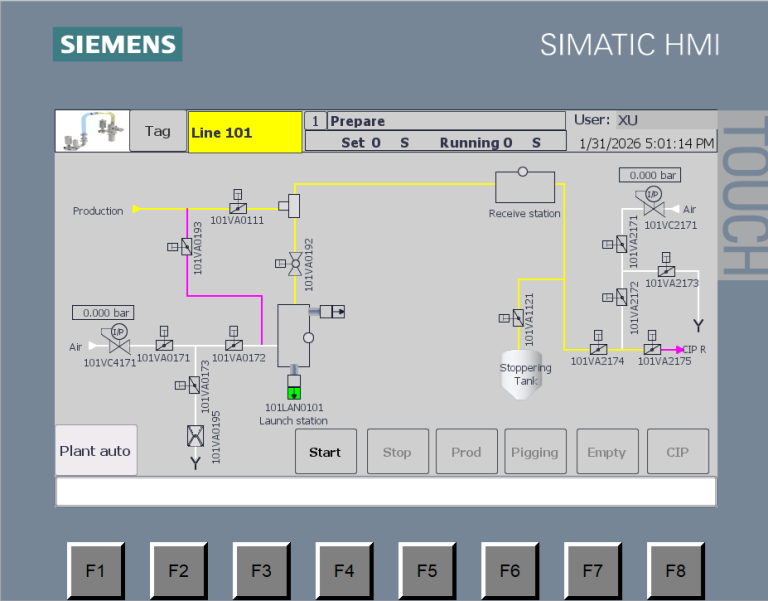
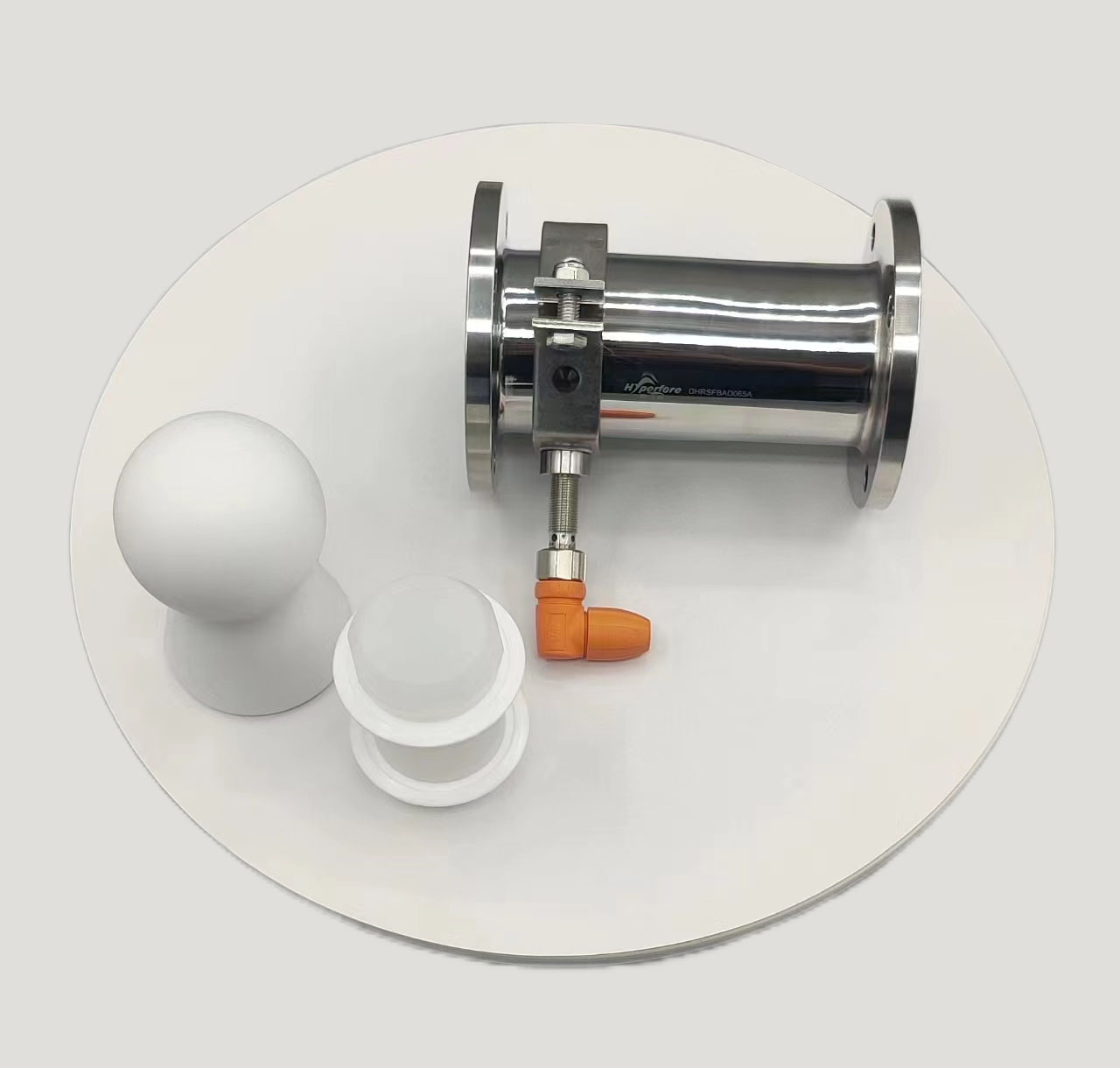
Robotic pipeline maintenance mechanisms furnish a important edge over conventional techniques for upholding the strength of line systems. These modern tools optimize the procedure of sending a "pig" – a dedicated device – through the pipeline system to clear deposits like residue, oxidation, and obstructions. By diminishing downtime and increasing production capacity, automatic pigging processes exemplify a crucial funding for industries relying on tube transportation of substances.
Pristine Purging : Confirming Line Hygiene in Gastronomy Industry
Protecting impeccable sanitation within edible manufacturing facilities is fundamental, particularly when it comes to lines used for transporting concoctions. Sterile flushing offers a formidable solution. This tailored technique involves inserting a unit – often a cylindrical device – into the tube to dislodge deposits, including bacteria, and re-establish total purity. Benefits include curtailed risk of pollution, advanced beverage grade, and augmented production capacity. Criteria for adoption include tool structure compatibility with the product and conduit makeup.
- Cuts spoilage exposure.
- Elevates material taste.
- Augments output effectuality.
Pipeline Solutions: Increasing Productivity and Decreasing Debris
Line processes offer a major progress in pipeline process for various markets, particularly within the hydrocarbon and industrial sectors. By pushing a “pig,” a specialized tool, through the infrastructure, sediment are extracted, enhancing efficiency and controlling product deterioration. This causes a cut price and a more sustainable method to resource handling.
This Future Pertaining to Pipelines: Researching Robotic Pigging Solutions
An path regarding pipeline control is quickly being altered by robotic pigging techniques. Traditionally, pigging procedures have depended on manual intervention, but the emergence about autonomous pigs promises boosted efficiency, lessened downtime, and improved safety. These modern systems use instruments, information, and artificial intelligence to survey pipelines unassisted, finding flaws and completing purging tasks with significant precision. Considering widespread embracement, automatic pigging represents a vital step in the direction of a more long-lasting pipeline organized structure globally.
Clean Swabbing vs. Non-automated Disinfection
Sustaining conduit health within the nutrition industry presents a major challenge. Historically, manual disinfecting has been the typical method, relying on workers to independently clear debris and residues. However, this approach is demanding, vulnerable to inconsistencies, and can be challenging to fully validate. Pristine flushing, on the other hand, offers a modern alternative. This process utilizes a implement propelled through the tube to remove deposits, providing a more efficient and steady sanitation process. Key separations include:
- Financial investment: Human sanitation often involves elevated labor fees, while pigging has opening investment but potentially lower overall outlays.
- Efficiency: Scrubbing generally offers heightened functionality compared to operator-driven practices.
- Confirmation: Verifying the extent of purification is simpler with scrubbing due to record-keeping capabilities.
- Protection: Human scrubbing can expose workers to risky conditions, whereas swabbing curtails this menace.
Deploying an Mechanized Pigging Approach: Proven Methods
Competently launching an automated pigging method requires exacting preparation and adherence to standardized best procedures. As a first step, perform a thorough investigation of your pipework to ascertain the distinct complications requiring clearance. This includes assessing the kind of residue, the place of halt points, and the overall state of the piping. Subsequently, determine a pigging installation custom for your special operational needs.
Additionally, focus on extensive teaching for workers employed in the execution practice. This is necessary to include instruction on safe operation of the machinery and familiarity of urgent plans.
- Consistently review the tool and related sections for deterioration.
- Set up a strong care plan.
- Track all line clearance operations and related data.
- Consider the ramification on tube force and good value.
Ultimately, ongoing assessment and adjustment of the cleaning program are indispensable for elevating output and lengthening the pipeline network’s serviceable service life.
Fixing Common Concerns in Sanitized Process Networks
Practical execution of sanitary pigging setups often necessitates frequent fixing. Often, blockages triggered by residue buildup are observed, which can be dealt with through meticulous inspection using appropriate machinery. Additionally, pressure drops denote defective scraper seals or intra-pipeline deterioration. Systematic care, including cleaning device withdrawal and careful survey of line form, is necessary to minimize breaks and preserve prime effectiveness.
Computerized Inspection Platforms for Production Tubes
Intelligent scrubbing automatic pigging system offers substantial advantages for functional pipelines, significantly advancing operational efficiency. These approach provides a multitude of pluses, including reduced downtime, minimized servicing spending, and improved fluid caliber.
- Lower line fall leading to energy economies.
- Enhanced tube condition, combating fouling.
- Improved volume by scraping deposits.
- Boosted protection for operators and the context.
Economic Benefits with Spotless and Electromechanical Rinsing Applications
Implementing clean and automated pigging processes offers substantial economic advantages for duct operators. These pioneering technologies minimize fluid loss due to remaining product, significantly reducing discard. Beyond good recovery, scrubbing solutions lower the frequency of programmed pipeline shutdowns for servicing, translating to higher throughput. Furthermore, the cut need for personnel effort and cleanser necessity further strengthens the overall fiscal benefit of your function.
- Cut Output Loss
- Boosted Performance Functionality
- Cut Workforce Contribution Payments